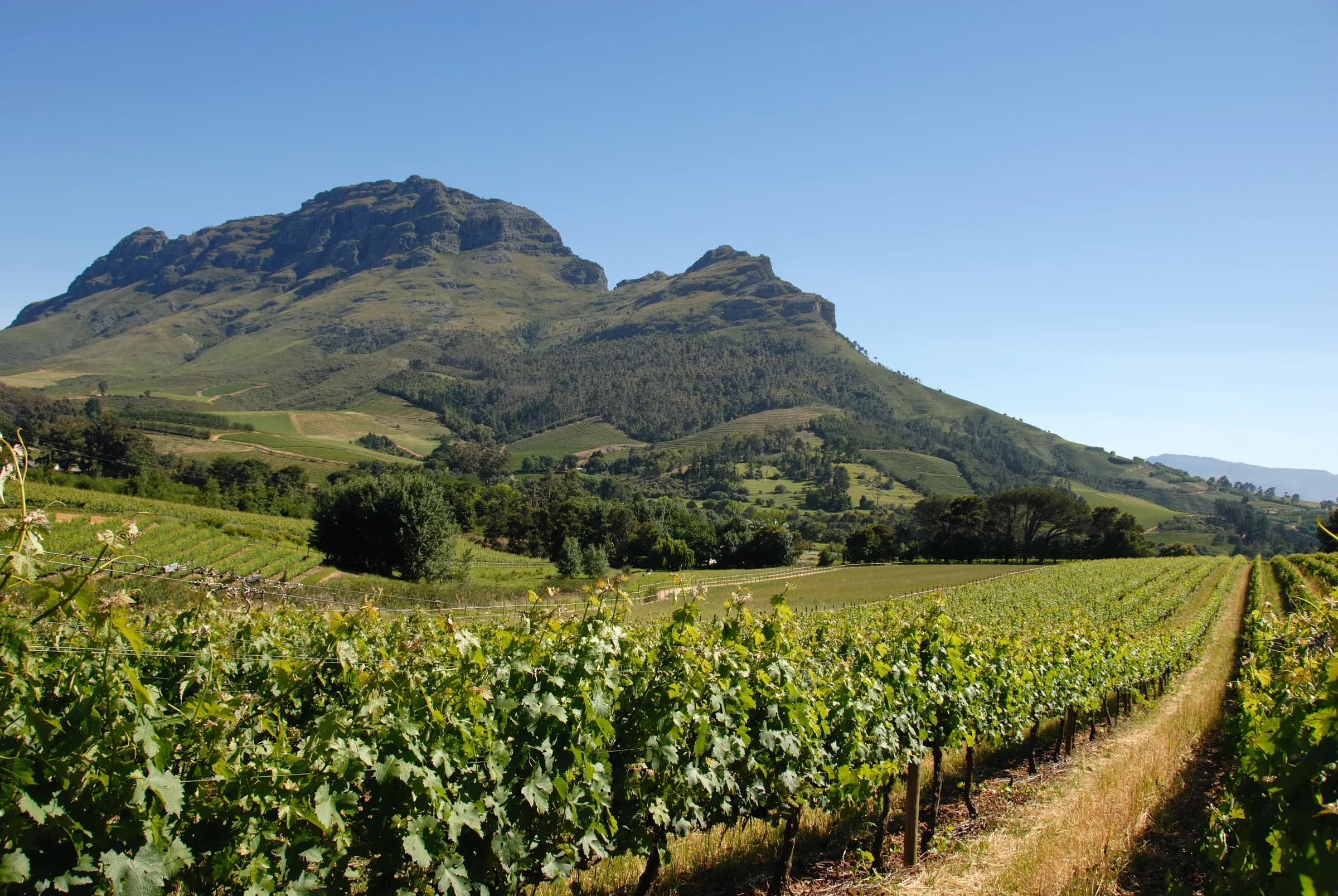
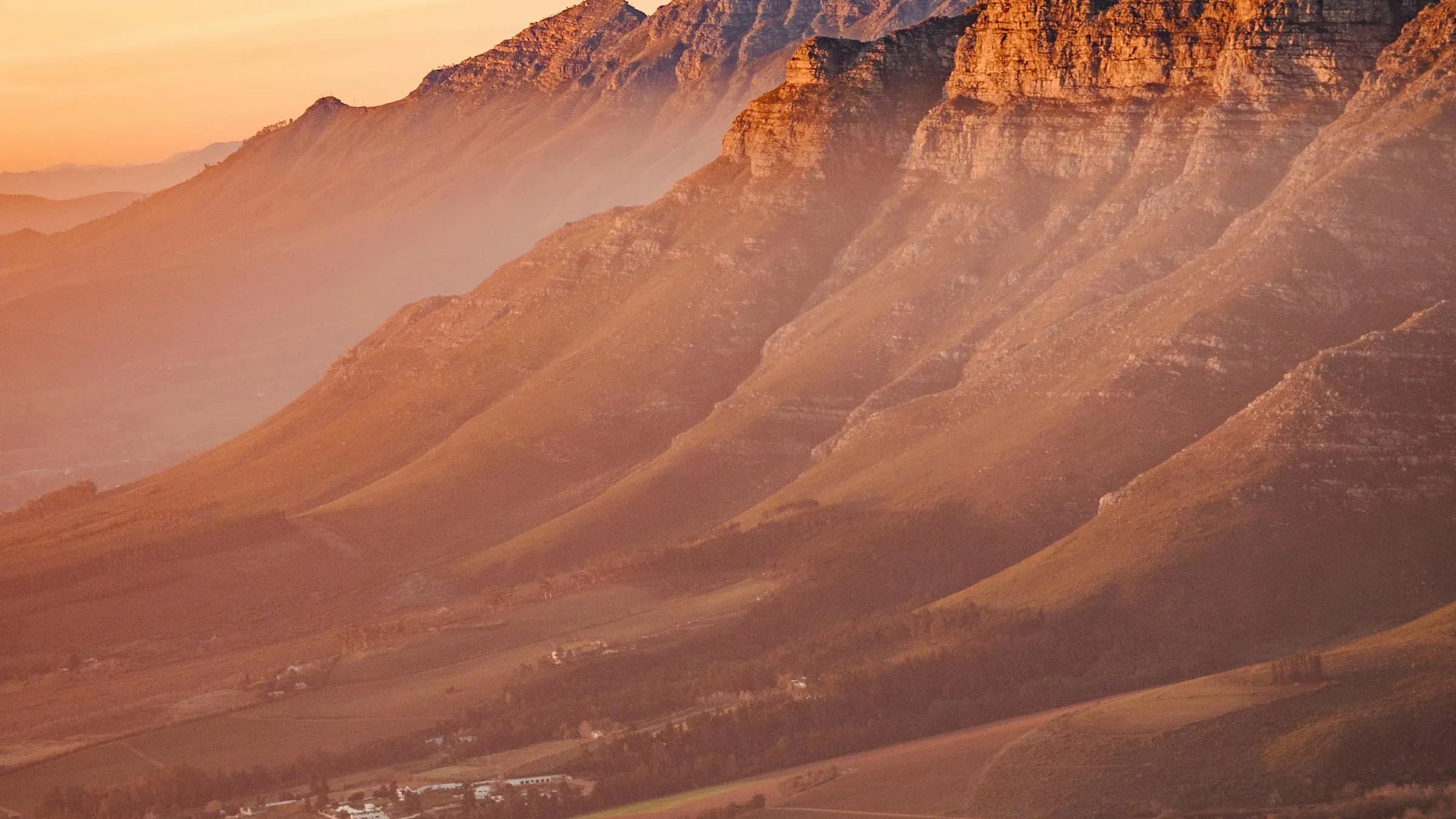
Cape mountains at golden hour above the Stellenbosch valley

Since 1659

367 years of winemaking at the tip of Africa.

At the meeting point of Old World heritage and New World freedom, the Cape has become one of the most exciting wine movements of the modern era - shaped by ancient soils, old vines, and a new generation of winemakers redefining what South African wine can be.

The Heritage

Centuries Old.
Dynamically New.

On 2 February 1659, Jan van Riebeeck pressed the first grapes in the Dutch Cape Colony. South Africa has been making wine ever since - through centuries of challenge, transformation, and renewal.

Today, the Western Cape is one of the most geologically and stylistically diverse wine regions on earth: dramatic mountain ranges, Atlantic Ocean influence, largely different soils, varying micro-climates and unique vegetation such as fynbos.

Unlike many historic regions bound by appellation laws, South Africa's winemakers have the freedom to adapt - planting varieties where they naturally thrive, farming for changing climates through pioneering innovations, and evolving alongside modern tastes without losing a sense of place.

That balance between heritage and freedom has made the Cape one of the most forward-looking wine cultures in the world. The modern South African wine movement emerged alongside the country's democratic rebirth in the 1990s, opening the Cape to a new generation of voices, producers, and global influence.

Introduced in 1973, South Africa's Wine of Origin system became one of the first legally enforced appellation frameworks outside Europe, protecting authenticity while still allowing innovation. Every bottle we import carries a WO seal certifying origin, vintage, and varietal composition.

These extraordinary attributes of South Africa give a unique wild energy and resilient soul in their wines that deserve to be shared.

What makes South Africa unique

The Cape, in four notes.

Ancient soils, endless expressions.

Diverse Terroir

Within a drive of Cape Town, vineyards are planted across ancient granite, decomposed shale, limestone, Table Mountain sandstone, and red Malmesbury soils - each shaping wines with dramatically different expressions of structure, aromatics, and freshness.

Old World heritage. New World freedom.

Freedom to Evolve

Without appellation constraints, South African winemakers can adapt to climate, experiment with varieties, and farm for the future while staying deeply connected to place - with high quality standards that are regulated.

The energy of the Cape.

A New Movement

South African wine is shaped by both historic estates and a new generation of producers redefining the Cape through regenerative farming, minimal intervention, and a modern perspective rooted in authenticity and place.

Planting new to grow old.

Old Vines

South Africa has the world's largest concentration of certified old vineyards (35+ years) categorised by the Old Vine Project. We champion these wines and include unique old-vine bottles across our portfolio of difference.

The lay of the land

South Africa's wine map.

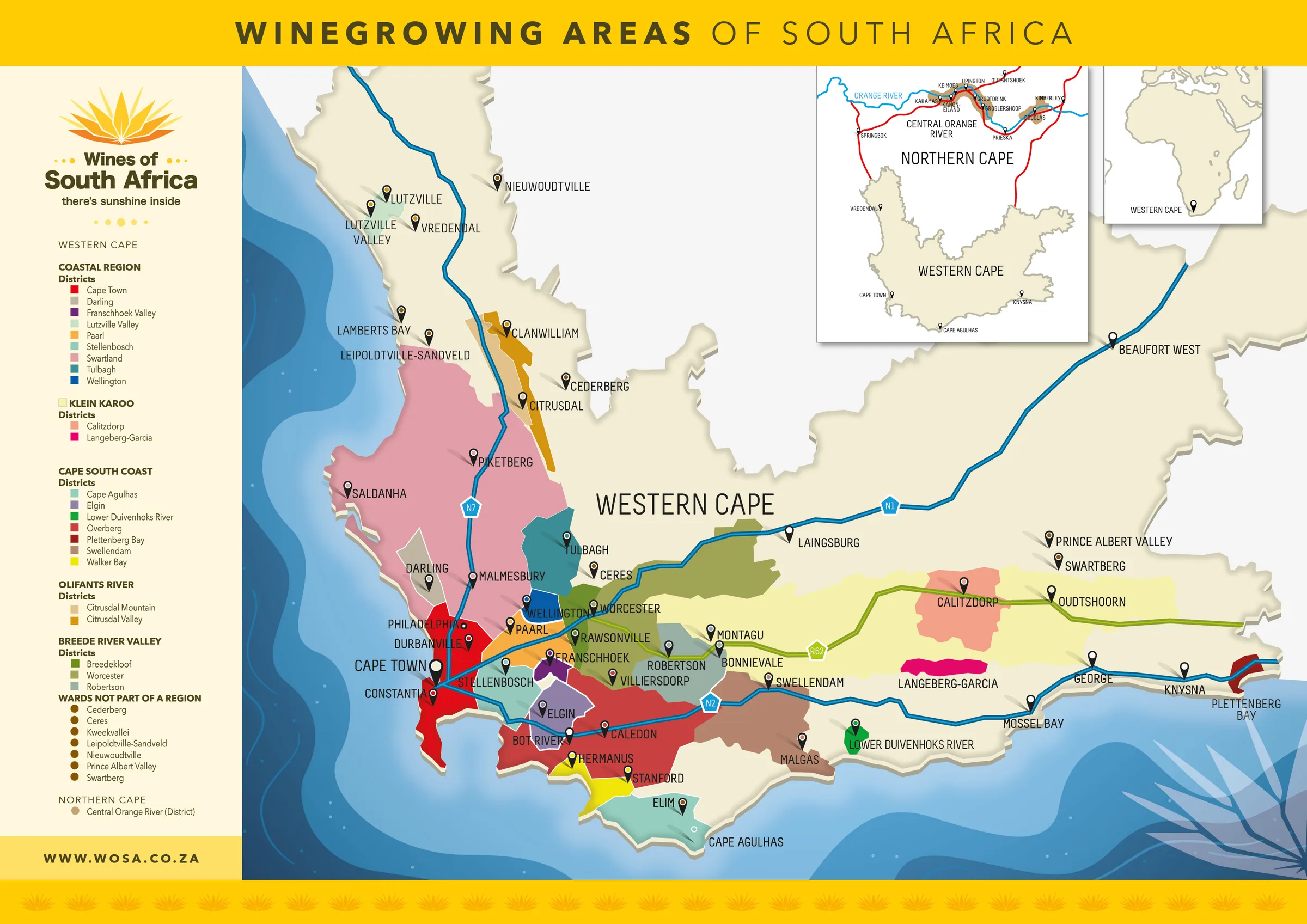
Five regions, more than sixty districts, over a hundred wards. Here's how the Cape's wine landscape sits together.

South African wine map showing the Western Cape's regions, districts and wards
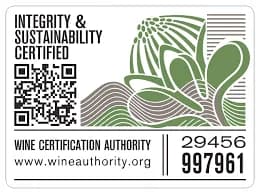
South African Wine of Origin + IPW Integrity & Sustainability Seal

WO + Sustainability Seal

Joint Wine of Origin + IPW Integrity & Sustainability seal - certifies authentic origin and sustainable production.

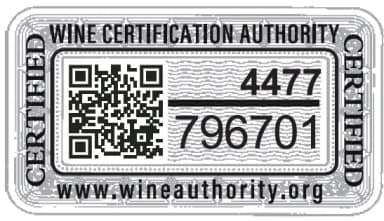
South African Wine of Origin Seal

Wine of Origin Seal

The original WO seal of the Wine and Spirit Board - issued to producers who are WO-certified but not yet IPW.

Wine of Origin

The regions shaping our portfolio.

From the lowest-lying vineyards shaped by the ocean to rugged, dry-farmed vines on a mountain - each corner of the Cape carries its own soils, climate, and viticultural identity. Together, these regions form one of the most extraordinary wine landscapes in the world, and we are proud to source from them.

Stellenbosch valley at sunset - vineyards rolling toward distant mountains, viewed from a Cape Dutch stoep

Stellenbosch

South Africa's most historic and internationally recognized wine district, where granite-rich soils and mountain slopes produce some of the Cape's most age-worthy wines. Our portfolio includes the Helderberg, Simonsberg, Bottelary and Polkedraai wards.

Cabernet Sauvignon, Chenin Blanc, Pinotage

Photo: Erica Moodie

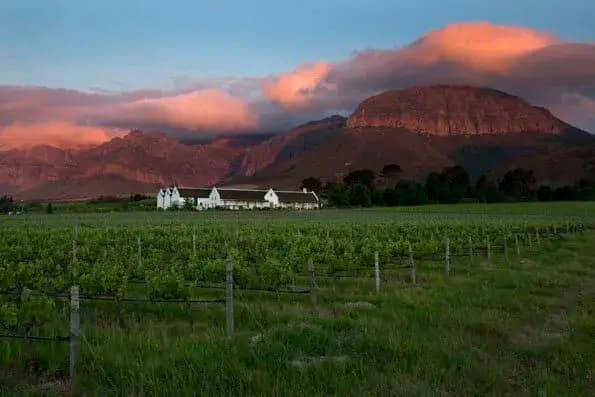
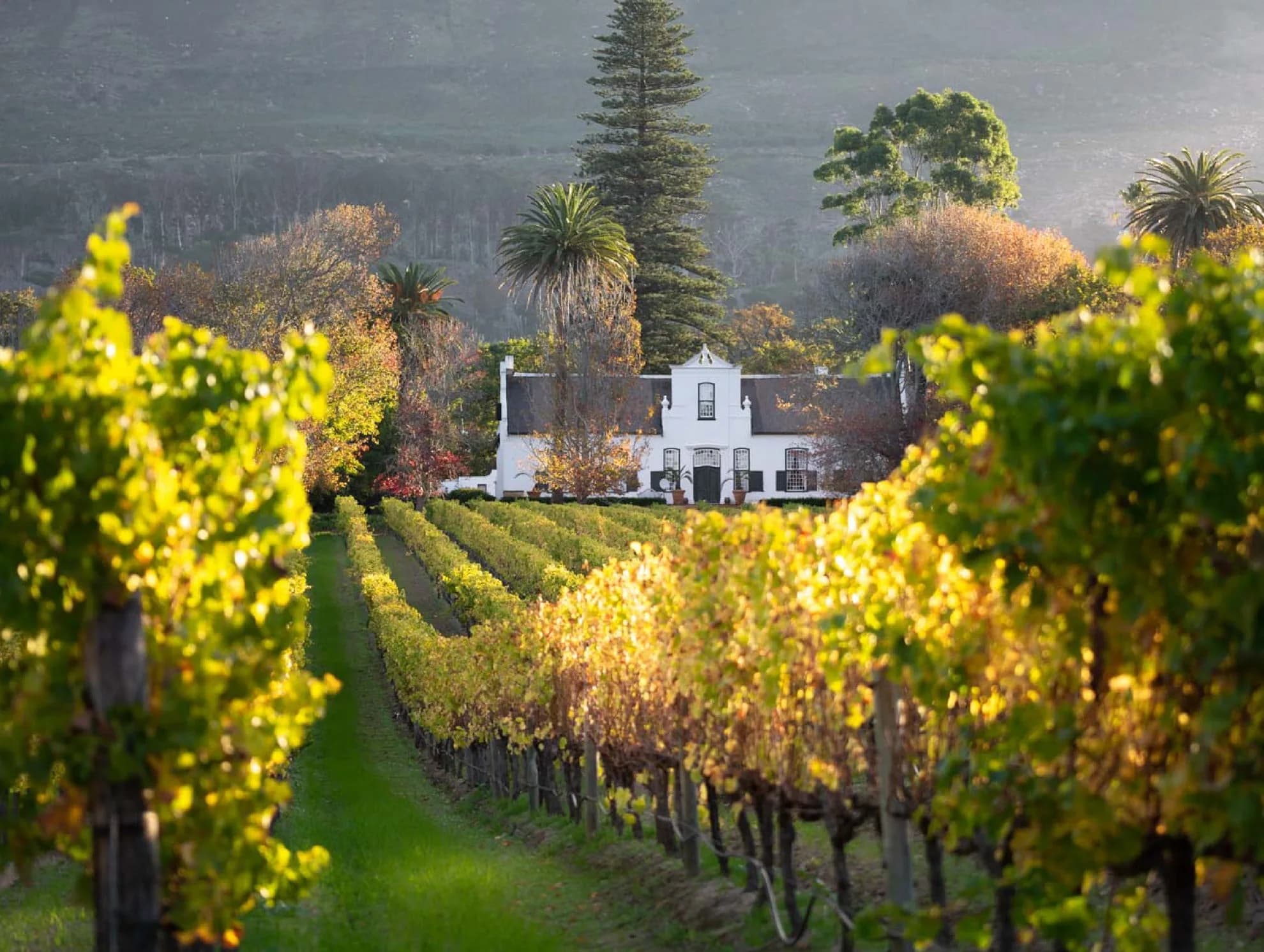
Paarl Mountain glowing pink at sunset behind a Cape Dutch homestead and vineyard rows

Paarl

Home to some of the country's oldest vineyards and the famous Paarl Rock - a 500-million-year-old granite boulder - known for generous Rhône varieties and textured old-vine whites.

Syrah, Chenin Blanc, Rhône blends

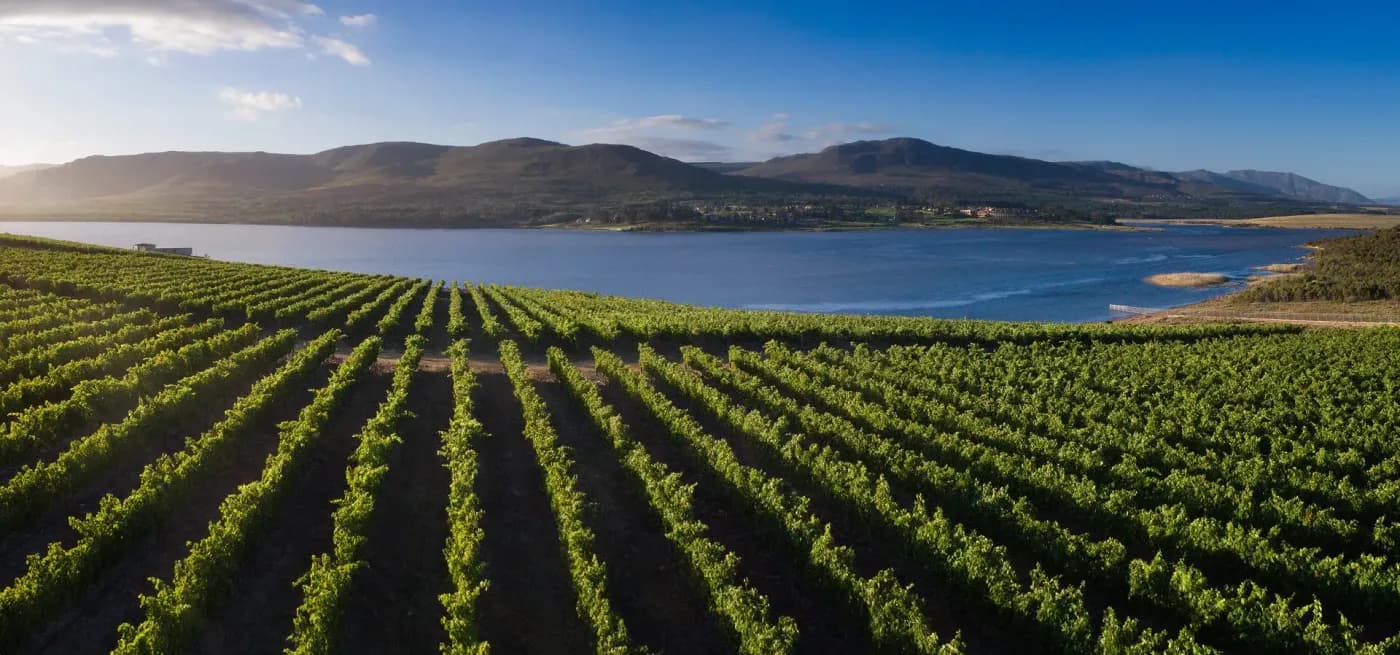
Walker Bay vineyard rows leading down to the Bot River lagoon with mountains beyond

Walker Bay

Cool-climate coastal region shaped by Atlantic winds, the Benguela current from the Antarctic, and diverse soils - regarded as one of the Cape's leading regions for Pinot Noir and Chardonnay.

Sauvignon Blanc, Pinot Noir, Chardonnay, Syrah

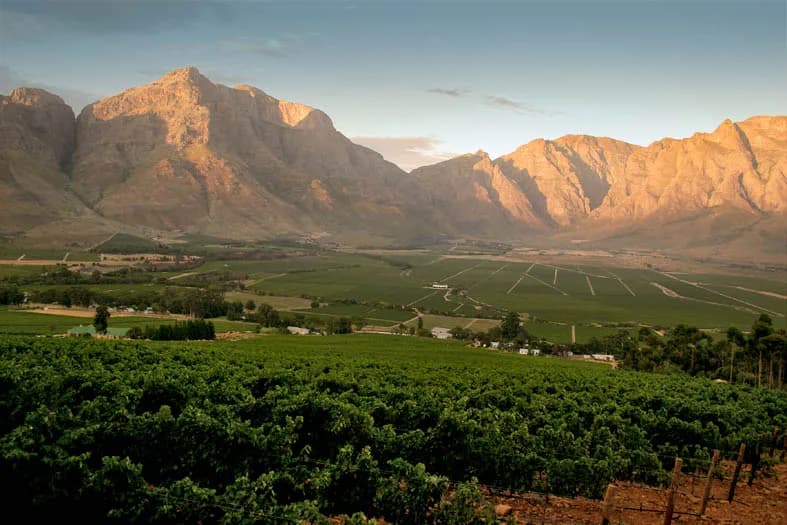
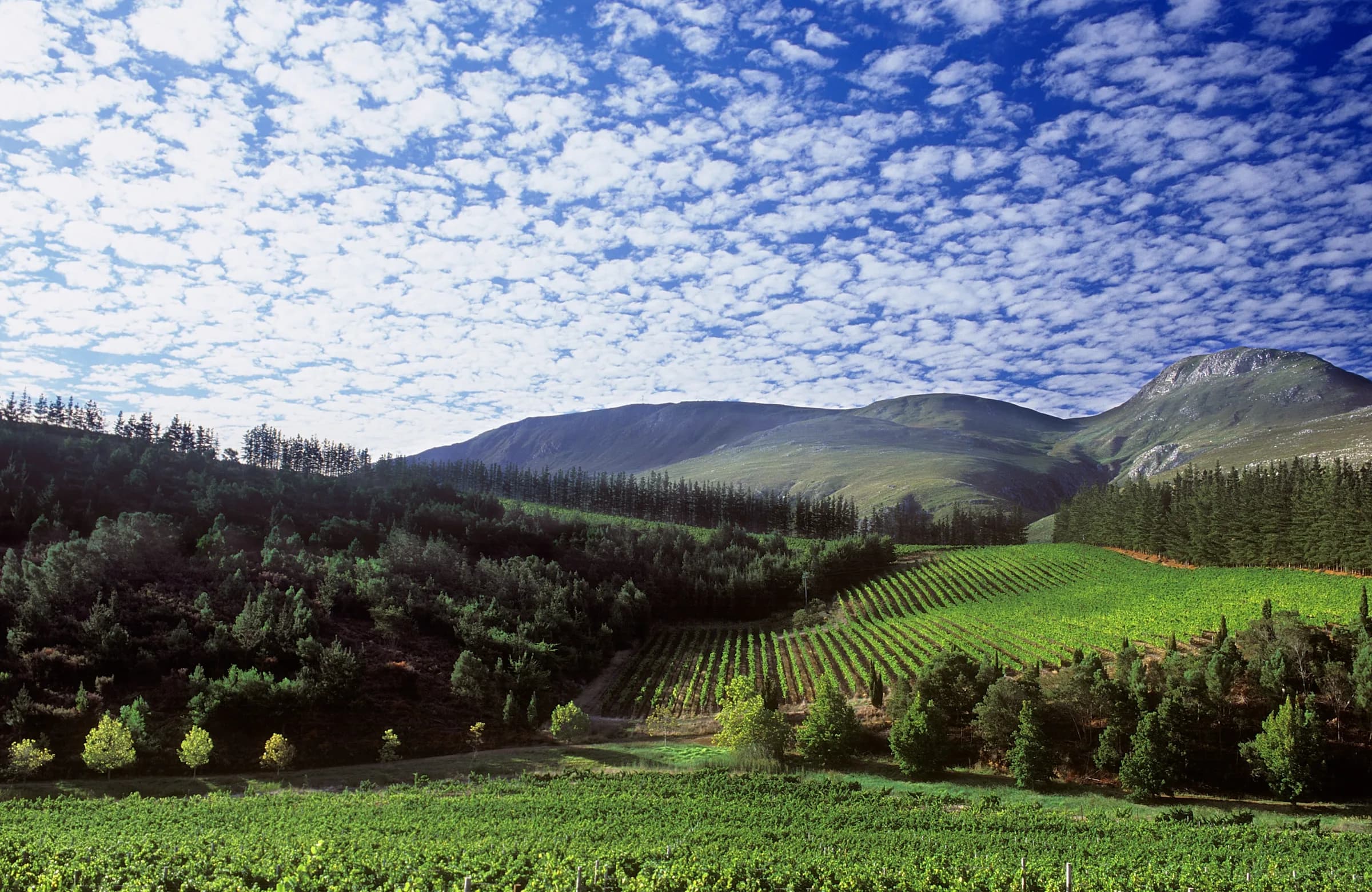
Olifantsberg vineyard above the Breedekloof valley with Cape Fold mountains in the distance

Breedekloof

A dramatic mountain valley with higher-altitude vineyards leading in Chenin Blanc production, with significant diurnal shifts - producing wines of freshness, brightness, and natural balance. The Slanghoek valley forms part of the Breedekloof region.

Chenin Blanc, Cinsault, Grenache

Misty mountains rising over rolling green Overberg farmland with a lone tree

Sondagskloof

One of the Cape's most remote wards - considered a hidden gem - where cold ocean influence and rugged conditions create intensely mineral and aromatic wines of finesse.

Sauvignon Blanc, Semillon

Theewaterskloof Dam in the Elgin valley seen from the Hottentots-Holland mountains

Elgin

Misty mornings, apple orchards and some of the coolest vineyards in the Cape give Elgin its unmistakable freshness - producing elegant wines of purity well suited for climate change.

Pinot Noir, Chardonnay, Sauvignon Blanc

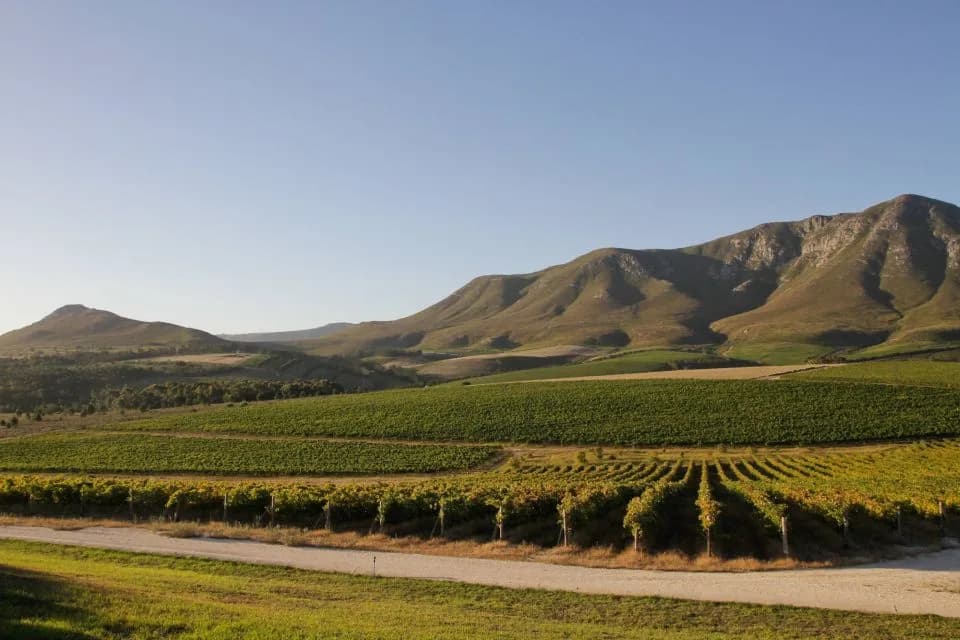
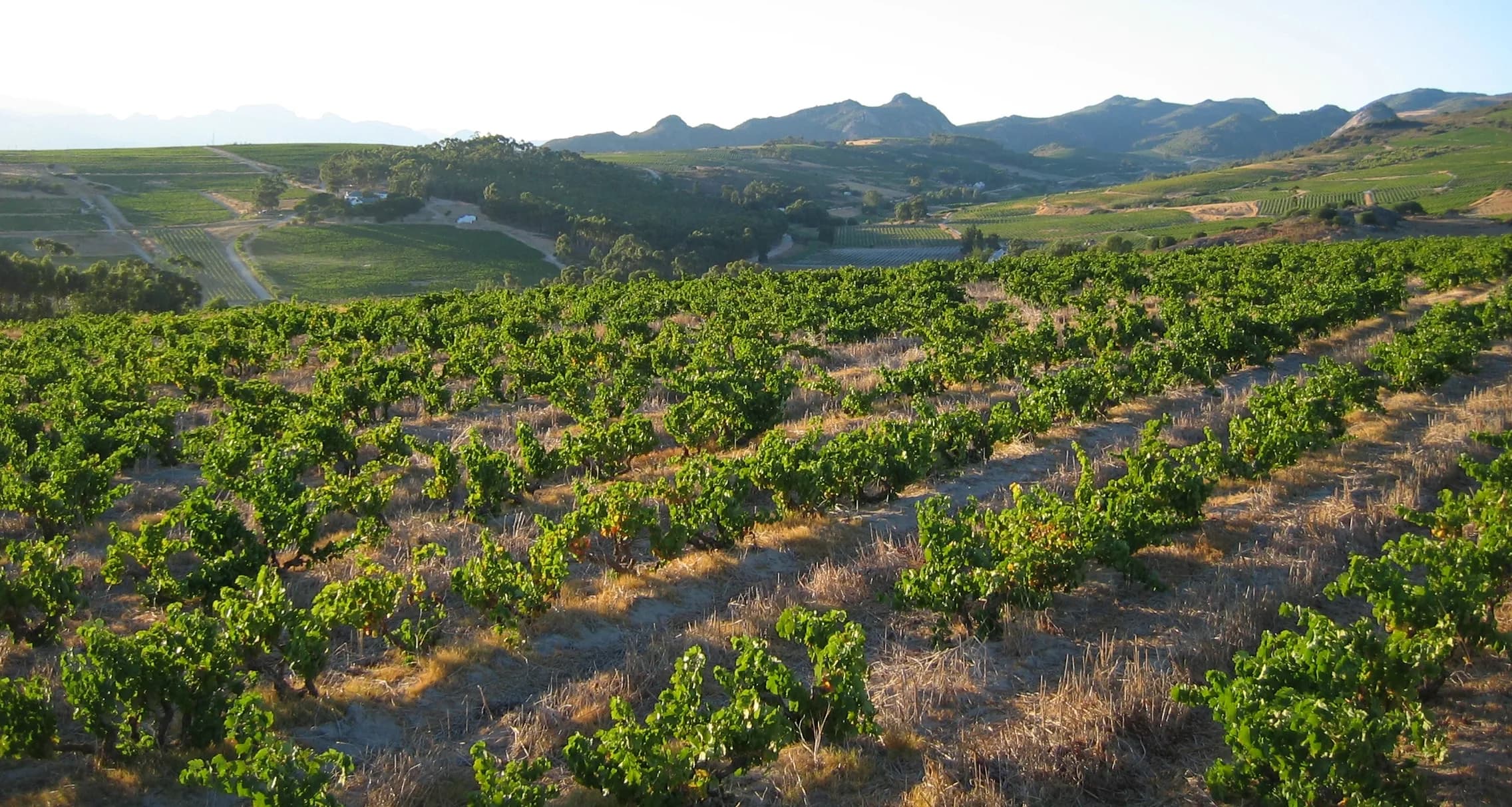
Swartland-style landscape - vineyard with mountain backdrop

Swartland

Wild, dry, and fiercely independent - the Swartland has become the beating heart of South Africa's new-wave wine movement of great innovation, old bush vines, and granite soils.

Pinotage, Chenin Blanc, Grenache, Syrah

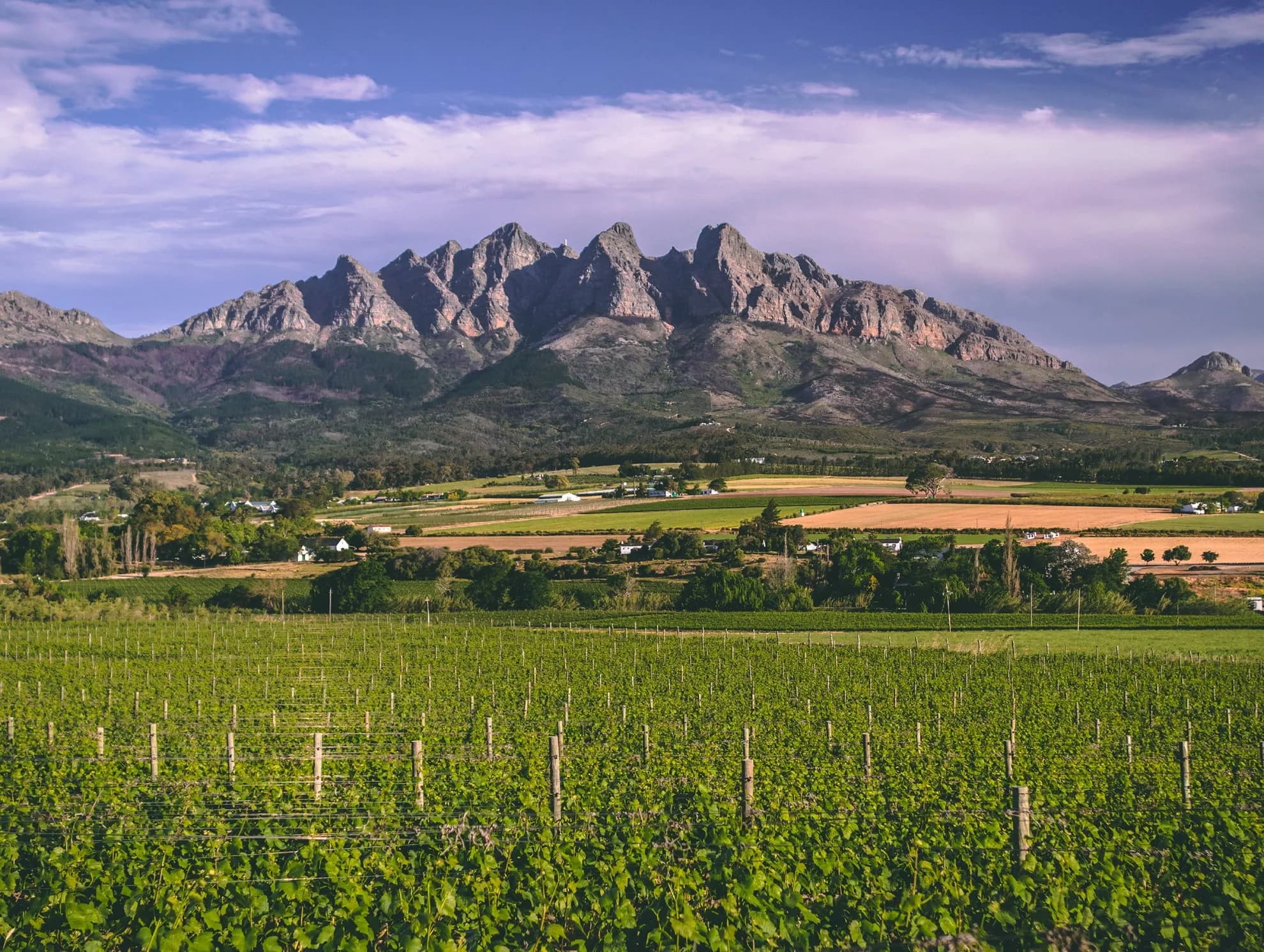
Wellington-style landscape - vineyard rows leading toward mountain range

Wellington

Known for its historic vineyards and warm inland valleys, home to the majestic Groenberg valley - a cooler, wind-influenced area with old dry-farmed bush vines full of personality.

Grenache, Cinsaut, Cabernet Sauvignon

Cape Town landscape with Table Mountain and the surrounding winelands

Cape Town

Home to Constantia - the Cape's oldest wine ward, founded in 1685 - where cooling southeaster winds off False Bay and decomposed granite soils produce elegant, age-worthy wines within sight of Table Mountain.

Sauvignon Blanc, Semillon, Muscat de Frontignan

Regional photographs supplied by Baobab Wines producers, and WOSA.

In their words

Why South Africa, right now.

Video courtesy of Wines of South Africa (WOSA).

For more on South African wine - regions, regulations, sustainability seals, and industry-wide news - head to Wines of South Africa.

Visit WOSA

Taste the Cape for yourself.

Explore our current portfolio, trade offerings, and producer selections from across South Africa's most exciting wine regions.